Thinking about buying a condo in the San Gabriel Valley, especially around San Gabriel and Rosemead? You’re not alone. Condos can offer low‑maintenance living, a great location, and a smart entry point into homeownership. But the details matter. HOA rules, building health, insurance, and financing can all affect your budget and your peace of mind.
In this guide, you’ll learn how condo ownership works in California, what to check in the HOA’s documents, how SB‑326 balcony inspections can trigger repairs and assessments, and how lenders approve condo projects. You’ll also get a practical checklist you can use before you write an offer. Let’s dive in.
How condo ownership works in California
When you buy a condo in California, you own your unit and share ownership of the common areas with your neighbors. A homeowners association manages the community under the state’s Davis‑Stirling Common Interest Development Act. This law sets rules on budgets, reserves, disclosures, meetings, and more. If you want to see the source law, review the Davis‑Stirling Act text.
Your community’s governing documents explain the day‑to‑day rules. The CC&Rs, bylaws, and operating rules spell out who pays for what, such as balconies, windows, plumbing risers, parking areas, and exterior maintenance. Always read these closely, since wording can shift costs between you and the association. A helpful overview of required disclosures appears on the Community Associations Institute Greater LA Chapter site.
Common SGV condo types
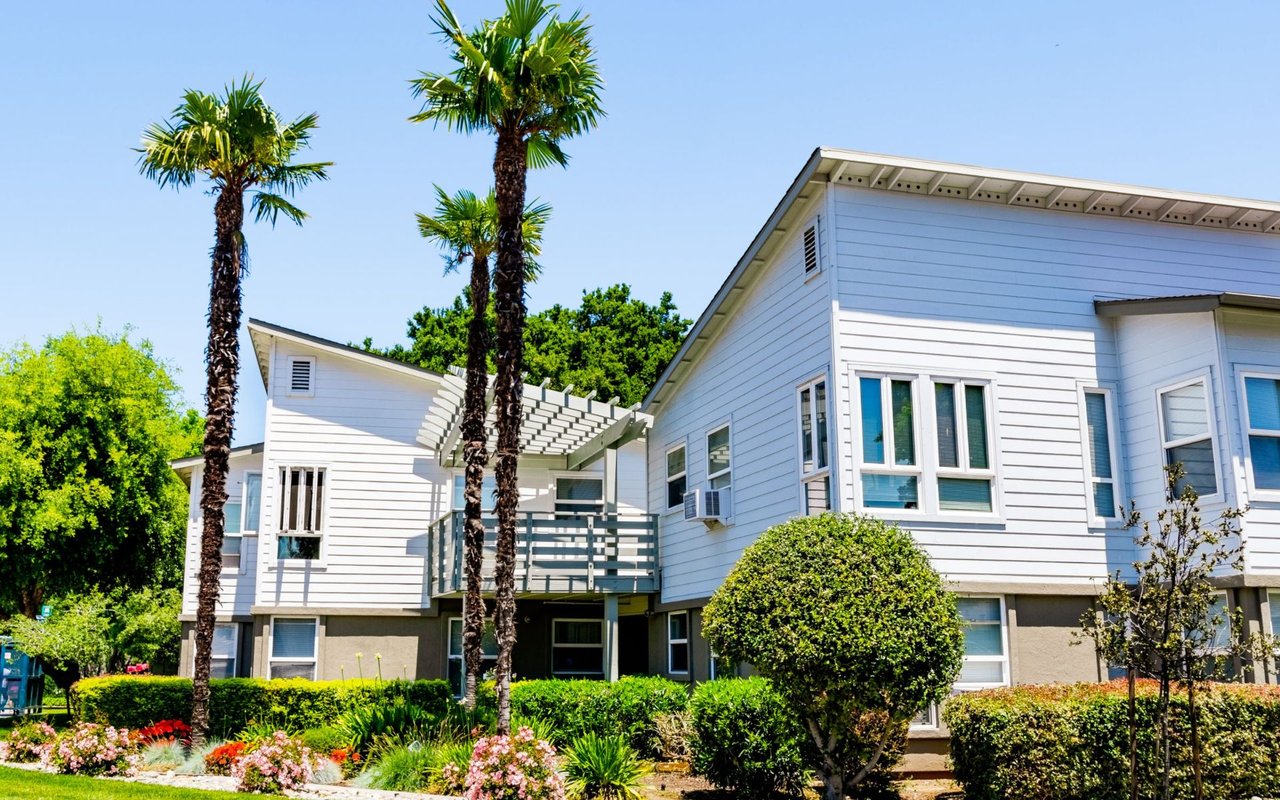
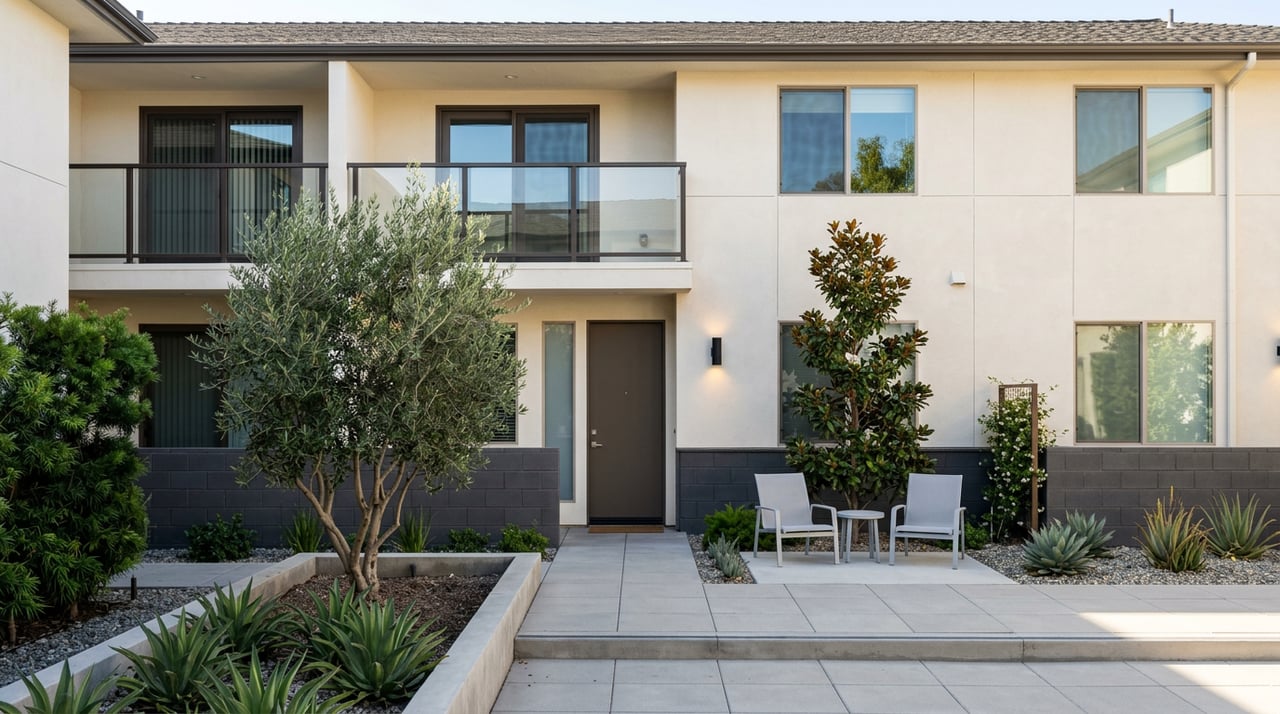
In San Gabriel and Rosemead, you’ll see a mix of garden‑style low‑rise buildings, small townhouse or rowhome communities, and some mid‑rise properties. Amenities vary. Some complexes include gated parking, pools, or small gyms, while others keep dues lower with minimal shared spaces. Your monthly HOA fee will reflect those choices.
Budgeting in San Gabriel and Rosemead
Condo prices and HOA dues vary widely across the San Gabriel Valley. Recent city snapshots show median sale prices in San Gabriel near the higher end for the area, with Rosemead somewhat lower. Active condo listings commonly show HOA dues ranging from the low hundreds to the mid hundreds per month based on building size and amenities.
Build your budget with a full PITI plus HOA approach. That means you add principal, interest, taxes, insurance, and your HOA dues to get a true monthly payment. If the HOA covers items like exterior insurance, water, landscaping, trash, or security, you may save on separate bills, but dues are a fixed monthly cost. Ask your lender to model several scenarios so you can compare a condo to a single‑family home with its own exterior upkeep.
The HOA documents you must review
Under the Davis‑Stirling Act, sellers and associations must provide a resale disclosure packet when requested. Review this packet before removing your HOA contingency. You can find an outline of required documents on the CAI‑GLAC Davis‑Stirling resource.
Prioritize these items:
- Governing documents: CC&Rs, bylaws, and operating rules.
- Financials: the current budget, balance sheet, and a recent reserve study or update. Learn how reserves work with this plain‑language reserve study explainer.
- Reserve fund balance and percent funded figure. Low reserves often lead to special assessments.
- Insurance: the master policy declarations page that shows coverage limits, the per‑loss deductible, and whether the policy is bare‑walls or all‑in. Then have your insurer quote an HO‑6 policy and loss assessment coverage. For a simple primer on master policies and HO‑6, see this overview of condo insurance basics.
- Estoppel or resale certificate showing any balances owed, fees due, and current assessments.
- The last 12 to 24 months of open‑session board minutes. This is where you can spot upcoming projects, assessment talks, or recurring maintenance issues.
Red flags to watch for
- Underfunded reserves with several big projects coming due, such as roofs, plumbing, or elevators. The reserve study guide explains why percent funded matters.
- Active or recent litigation, especially construction‑defect disputes or insurance conflicts. Lenders view litigation as risk. The Fannie Mae project standards explain how lenders evaluate these issues.
- Rental caps, short‑term rental restrictions, or owner‑occupancy thresholds that may affect your use and future financing options.
- Large master policy deductibles that can lead to owner loss assessments after a claim.
Building safety and SB‑326 balcony inspections
California’s SB‑326 requires condo associations to have licensed engineers or architects inspect a sample of exterior elevated elements like balconies, walkways, and stairways supported by wood, then repeat at set intervals. Inspection reports must be kept on file and severe findings reported to local code enforcement. Learn more by reviewing the SB‑326 bill text.
Why it matters to you: these inspections can reveal needed repairs. Associations may plan repair projects and, if reserves are low, adopt special assessments or increase dues to fund the work. Ask for the building’s SB‑326 inspection status, any repair recommendations, and the funding plan.
Seismic and older‑building considerations
Older SGV buildings may have common Southern California vulnerabilities like soft‑story conditions, aging stucco or original plumbing. Check permit history and ask whether there are any local retrofit orders or active permits. If you see signs of water intrusion or balcony concerns, consider a targeted engineer review along with your standard home inspection.
Insurance 101 for condo buyers
Your association carries a master policy that insures the building and common areas. What it covers inside your unit depends on the policy type.
- Bare‑walls: The master policy covers the structure, not interior finishes. You insure cabinets, flooring, and fixtures with an HO‑6 policy.
- All‑in or walls‑in: The master policy may cover original finishes. You still carry HO‑6 for personal property, liability, and improvements.
Confirm the master policy deductible. High deductibles can result in loss assessments to owners after a claim. An HO‑6 policy with loss assessment coverage can help. For a quick primer, read this condo insurance overview. Also ask your agent about earthquake options if you want added protection.
How financing works for condos
Condo loans involve a project review. Lenders look at reserves, owner‑occupancy ratios, delinquency rates, the share of commercial space, special assessments, and active litigation. If a project fails certain criteria, you may face extra conditions or need a different loan program. You can preview how lenders think by scanning Fannie Mae’s condo project standards.
FHA and VA specifics
If you plan to use FHA or VA financing, confirm the building’s eligibility early. FHA maintains a public lookup tool for condo approvals and single‑unit approvals under certain conditions. Check the project’s status using the HUD FHA condo lookup and ask your lender to verify the most current standards.
Step‑by‑step due diligence checklist
Use this list as soon as you get serious about a condo in San Gabriel or Rosemead:
- Request the full HOA resale packet right away. Include CC&Rs, bylaws, rules, current budget, reserve study or update, insurance declarations, estoppel or resale certificate, and 12 to 24 months of open board minutes. See the CAI‑GLAC Davis‑Stirling resource for what sellers and associations must provide.
- Confirm SB‑326 status. Ask for the latest balcony and exterior element inspection report, any recommended repairs, bids, and the funding plan. Review the SB‑326 bill text if you want the full requirements.
- Ask for the reserve percent‑funded figure and five‑year capital plan. If reserves are low, request details on any pending assessments, contractor bids, and timelines. Here is a reserve study explainer for context.
- Verify insurance. Get the master policy declarations page to confirm coverage level and deductible. Then have your agent quote HO‑6 and loss assessment coverage. This condo insurance guide is a helpful starting point.
- Scan board minutes. Look for repeated maintenance complaints, board turnover, and disputes with developers or contractors.
- Check financing eligibility early. If you need FHA or VA, confirm status using the HUD FHA condo lookup. For conventional loans, ask your lender about project review steps guided by Fannie Mae standards.
- Order inspections. Do a standard home inspection plus targeted scopes if needed. Consider roof access views, a pest report, a sewer scope for older properties, and a structural or balcony review if you see water intrusion or deck issues.
How a local advisor helps you win
A strong local agent does a lot more than open doors. You want someone who can interpret HOA budgets and reserve studies, spot SB‑326 risk, and coordinate with your lender on project eligibility before you remove contingencies. Clear communication and steady guidance can save you time, stress, and money.
At Elevate Realty, you work directly with a broker who has three decades of East L.A. and San Gabriel Valley experience. We’ll request the HOA packet early, translate the numbers into plain English, flag risks, and help you compare condos across San Gabriel, Rosemead, and nearby SGV communities. We offer bilingual service, patient step‑by‑step support, and a relationship‑first approach. If you buy or sell with us, ask about our complimentary living trust offer for clients.
Ready to find the right condo and buy with confidence? Schedule a free consultation with Rafael Viramontes.
FAQs
What is SB‑326 and how does it affect San Gabriel Valley condo buyers?
- SB‑326 requires HOAs to inspect exterior elevated elements such as balconies and walkways on a set cycle; findings can lead to repair projects and potential special assessments. You can read the SB‑326 bill text for full details.
What HOA documents should I review before buying a condo in San Gabriel or Rosemead?
- Ask for the CC&Rs, bylaws, rules, budget, reserve study, insurance declarations, estoppel or resale certificate, and 12 to 24 months of board minutes; the CAI‑GLAC Davis‑Stirling resource outlines required disclosures.
How do HOA dues impact affordability in the SGV?
- Dues in this area often range from the low hundreds to the mid hundreds monthly; include them in a full PITI plus HOA budget and compare to a single‑family home’s exterior upkeep to see your true monthly cost.
Can I use an FHA loan to buy a condo in the San Gabriel Valley?
- Yes, if the project meets FHA standards; check approval status using the HUD FHA condo lookup and confirm with your lender early in the process.
What insurance do I need for a California condo?
- Your HOA carries a master policy, but you still need an HO‑6 policy for interiors, personal property, liability, and loss assessment; start with this condo insurance overview.