If you love the idea of suburban calm with incredible dining at your doorstep, Monterey Park might be your perfect match. You get easy access to Los Angeles, a rich mix of cultures, and a day-to-day rhythm that feels welcoming and practical. In this guide, you’ll see what daily life looks like, from food and parks to commuting and housing. Let’s dive in.
Monterey Park at a glance
Monterey Park sits in the western San Gabriel Valley, just east of central Los Angeles. It is a mid-sized city of about 60,000 residents with a compact footprint and a strong neighborhood feel. Most streets are residential, while retail and restaurants cluster along Atlantic Boulevard and West Garvey Avenue.
You’ll notice a vibrant cultural blend, including a prominent Asian American community that shapes the city’s food, shopping, festivals, and bilingual services. Many daily errands are a short drive, and select blocks near the main corridors are walkable.
Neighborhood vibe and culture
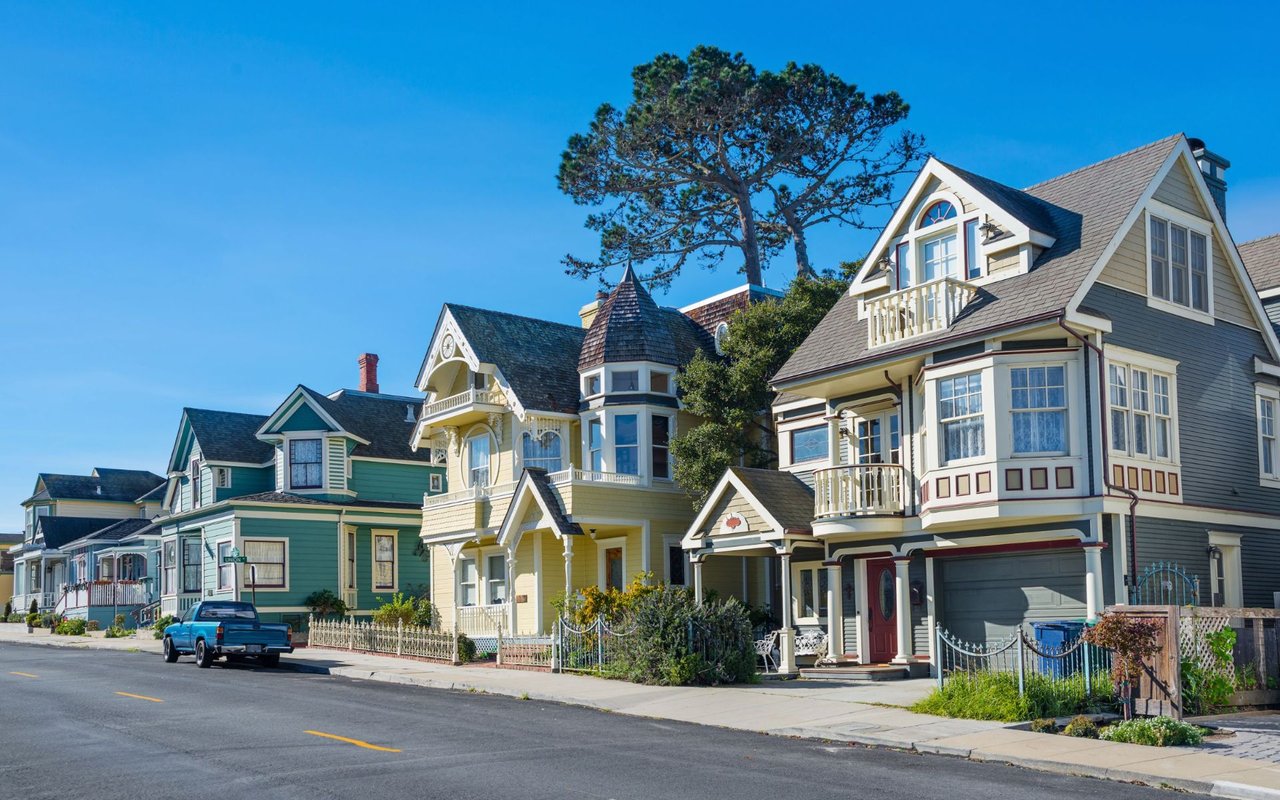
Monterey Park combines quiet residential blocks with lively commercial strips. You’ll find single-family homes, small apartment buildings, and relaxed neighborhood parks. During the day, restaurants and markets stay busy. Evenings are friendly and food-focused rather than nightlife-heavy.
Dining and shopping on Atlantic and Garvey
If food is your love language, you’ll feel right at home. Monterey Park is widely known for East Asian cuisines, including Cantonese, Sichuan, and Taiwanese spots, plus hot pot, dim sum, Asian bakeries, and bubble tea. Many eateries are family-run and serve from early morning to late evening. Grocery choices range from large Asian supermarkets and specialty markets to mainstream chains in and around the city.
Retail lines the major corridors, with smaller plazas for everyday essentials. You can handle most weekly errands without leaving the city, and you have even more options in neighboring San Gabriel Valley communities.
Parks and weekend routines
City parks and recreation programs are a big part of local life. Barnes Park is a well-known community hub, and you’ll find fields, playgrounds, and recreation centers across the city. Many residents also spend weekends exploring nearby San Gabriel Valley highlights, from historic sites to hikes in the foothills.
Evenings and low-key nightlife
Nightlife centers on food, dessert, and conversation. Restaurants, cafes, and late-night bakeries are the main draw. You might see karaoke or small lounges, but the energy is more about sharing a great meal than clubbing.
Getting around and commute
Most residents drive for errands and work, and the city connects smoothly to the region.
Freeway access
You have direct routes to major job centers through nearby freeways, including Interstate 10, State Route 60, and Interstate 710. These corridors put downtown Los Angeles, the rest of the San Gabriel Valley, and the Inland Empire within practical reach.
Public transit options
Local and regional bus service from Los Angeles Metro and Foothill Transit serves Monterey Park and connects to nearby transit hubs. For rail, many commuters use bus connections or park-and-ride options in neighboring communities to reach regional lines. Check current schedules as you plan your routine.
Walkability and biking
Select stretches of Atlantic and Garvey feel pedestrian-friendly, especially near dining and shops. Residential areas are more suburban, so walking and biking for daily errands depends on your exact block and comfort level. If walkability is a priority, focus your home search near those commercial corridors.
Schools and community resources
Public schools serving Monterey Park belong to neighboring unified school districts, and boundaries vary by address. If schools matter to your move, verify the assigned district and review the latest public reports for any campus you are considering. Beyond K–12, local libraries and community centers offer after-school programs, adult education, and cultural activities.
For health and safety, the city and Los Angeles County provide core municipal services. You’ll find local clinics and nearby regional hospitals for routine and specialty care.
Housing and architecture
Monterey Park offers a wide range of home types that reflect its long residential history.
Home styles you will see
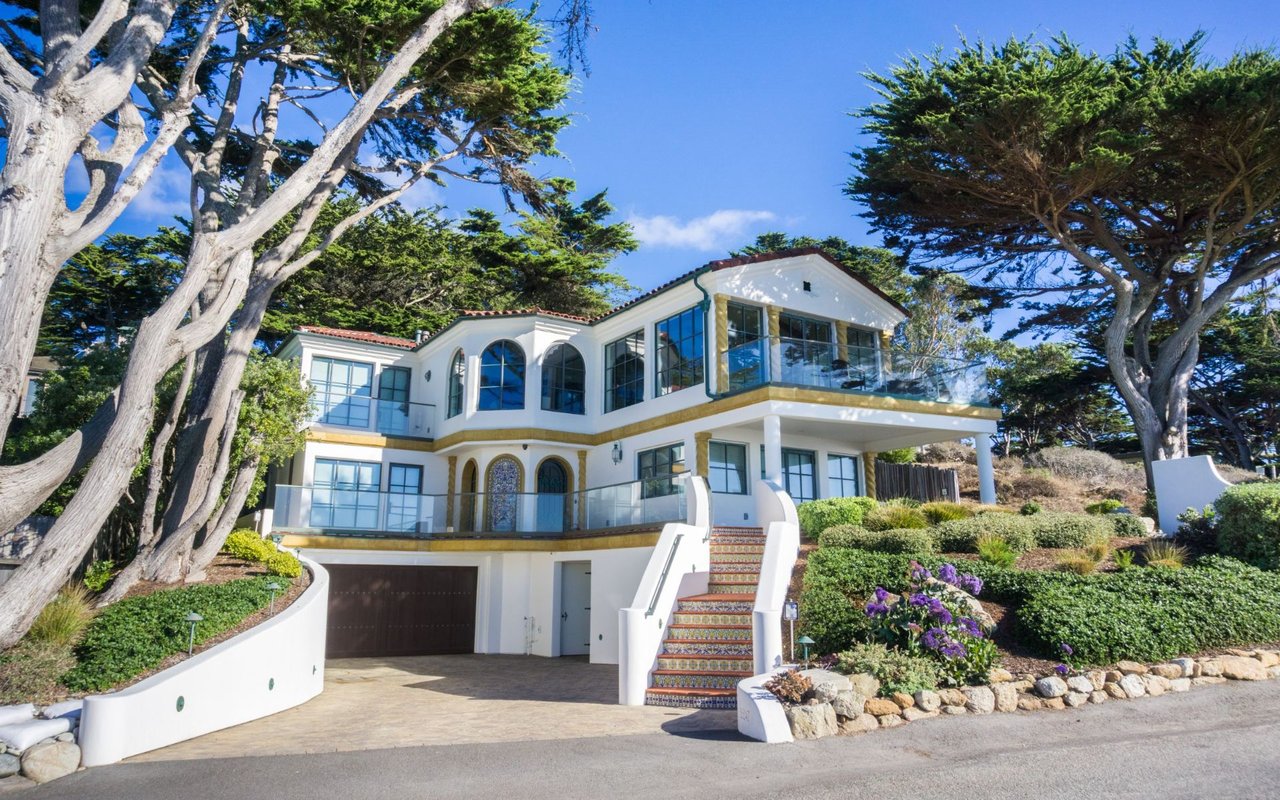
- Early to mid-20th century single-family homes, including bungalows and Spanish Revival styles.
- Mid-century ranch homes with modest footprints and practical layouts.
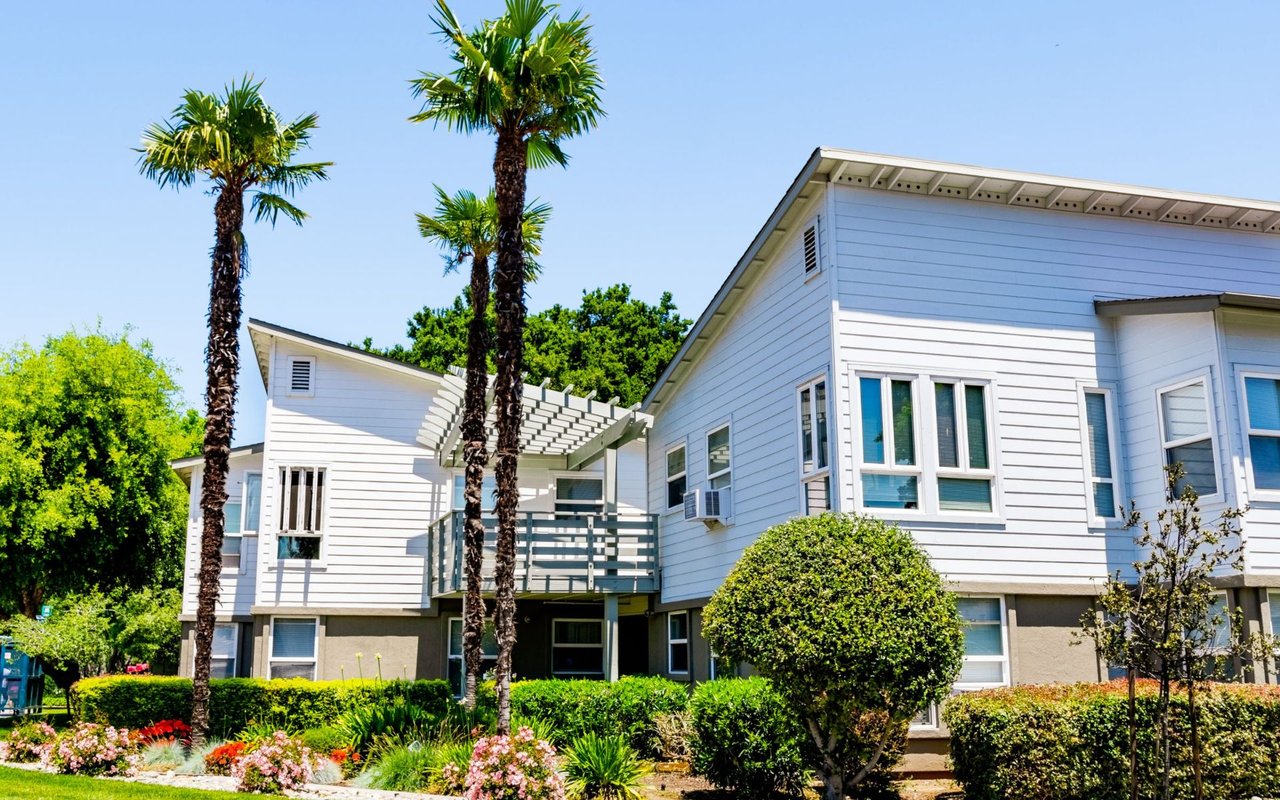
- Low- and mid-rise apartment buildings and condominiums from mid-century to recent infill.
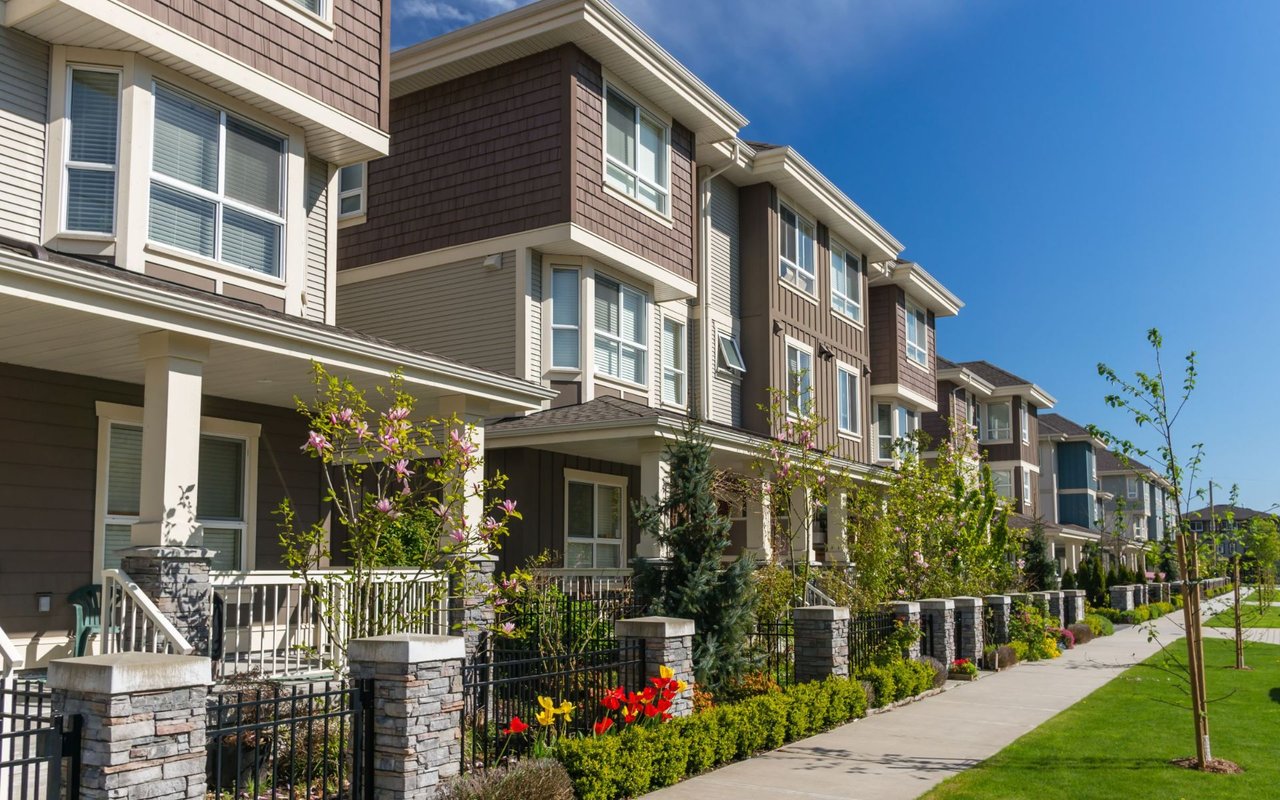
- Newer infill townhomes and condos in or near commercial corridors.
Many neighborhoods show gradual updates over time. You may also see occasional teardowns and new builds on select lots.
What affects prices
Monterey Park is tied to the greater Los Angeles market. Prices and rents reflect demand for established San Gabriel Valley communities, proximity to job centers, and the premium for locations near restaurants, shops, and transit. Homes on quieter interior streets often offer more space, while properties near amenities trade a bit of space for convenience. For current numbers, use a live MLS snapshot and a property-specific market analysis.
Renters and condos
If you prefer lower maintenance or a smaller footprint, you will find condos and apartments across the city. Inventory and pricing shift with market cycles, so it helps to compare HOA costs, parking, and amenity tradeoffs when you evaluate units.
Cost of living and daily tradeoffs
Housing is likely your largest expense. Dining can be budget-friendly to mid-range, especially if you explore family-run restaurants and bakeries. Grocery shopping is convenient with both specialty and mainstream options.
Parking depends on the block. Single-family homes often come with driveways or garages. Near busy corridors and some smaller apartment buildings, street parking can get tight at peak hours.
Language access is a strength here. You will see bilingual signage and staff across many businesses, and city services commonly accommodate Mandarin, Cantonese, and Spanish speakers.
How to choose your neighborhood
Use these practical filters to narrow your search:
- Walkability to dining and markets: Focus near Atlantic Boulevard and Garvey Avenue if you like to stroll to meals and errands.
- Quiet residential feel: Consider interior streets set back from main corridors if you value low traffic and a slower pace.
- Home condition and updates: Older homes often need modernization. Budget for systems, kitchens, baths, and energy upgrades.
- Lot size and parking: Weigh yard space, garage type, and ADU potential against your goals.
- Commute and transit: Test your routes on I-10, SR-60, or I-710, and check bus and park-and-ride options.
- School boundaries: Confirm the assigned district for any address and review the most recent public information.
A day in the life
Picture a weekend morning bakery run, then a quick hop to dim sum or noodles along Atlantic Boulevard. After lunch, you head to a local park for open space and community programs. In the afternoon, you pick up specialty groceries for the week. Dinner might be hot pot or a simple takeout spread. The day ends with dessert at a late-night bakery and a short drive home on quiet residential streets.
Is Monterey Park right for you?
If you value great food, diverse culture, and an easy jump to Los Angeles job centers, Monterey Park delivers. You get suburban comfort, active shopping corridors, and a wide mix of homes. The tradeoff is that most errands are easier by car and housing costs align with broader LA market pressures. With the right guidance, you can find a property that fits your lifestyle and budget.
Ready to explore homes?
You deserve a trusted, local advisor who knows these streets, the market rhythms, and how to help you compare neighborhoods with confidence. With more than three decades serving Monterey Park and the East L.A. suburbs, we offer buyer representation, professional seller marketing, and free home valuations. Clients who close a transaction with us also receive a complimentary living trust as a value-add. Have questions or want a property-specific read on today’s market? Connect with Rafael Viramontes to schedule a free consultation.
FAQs
What is Monterey Park known for?
- Monterey Park is known for its vibrant dining scene, strong Asian American cultural influences, suburban neighborhoods, and convenient access to Los Angeles job centers.
How long is the commute to downtown Los Angeles from Monterey Park?
- Typical drive times range widely by traffic, often about 20 to 45 minutes, with bus and park-and-ride rail connections available in nearby communities.
Which freeways serve Monterey Park commuters?
- You have practical access to Interstate 10, State Route 60, and Interstate 710, connecting you to downtown LA, the San Gabriel Valley, and the Inland Empire.
Are there public schools in Monterey Park?
- Yes. Public schools are assigned by address through neighboring unified school districts, so always verify boundaries and review the latest public information.
What types of homes are common in Monterey Park?
- You will see bungalows, Spanish Revival and mid-century ranch homes, plus small apartment buildings, condos, and newer infill townhomes.
Is Monterey Park walkable?
- Walkability is stronger near Atlantic Boulevard and Garvey Avenue. Most residential neighborhoods are suburban, so many errands are easier by car.