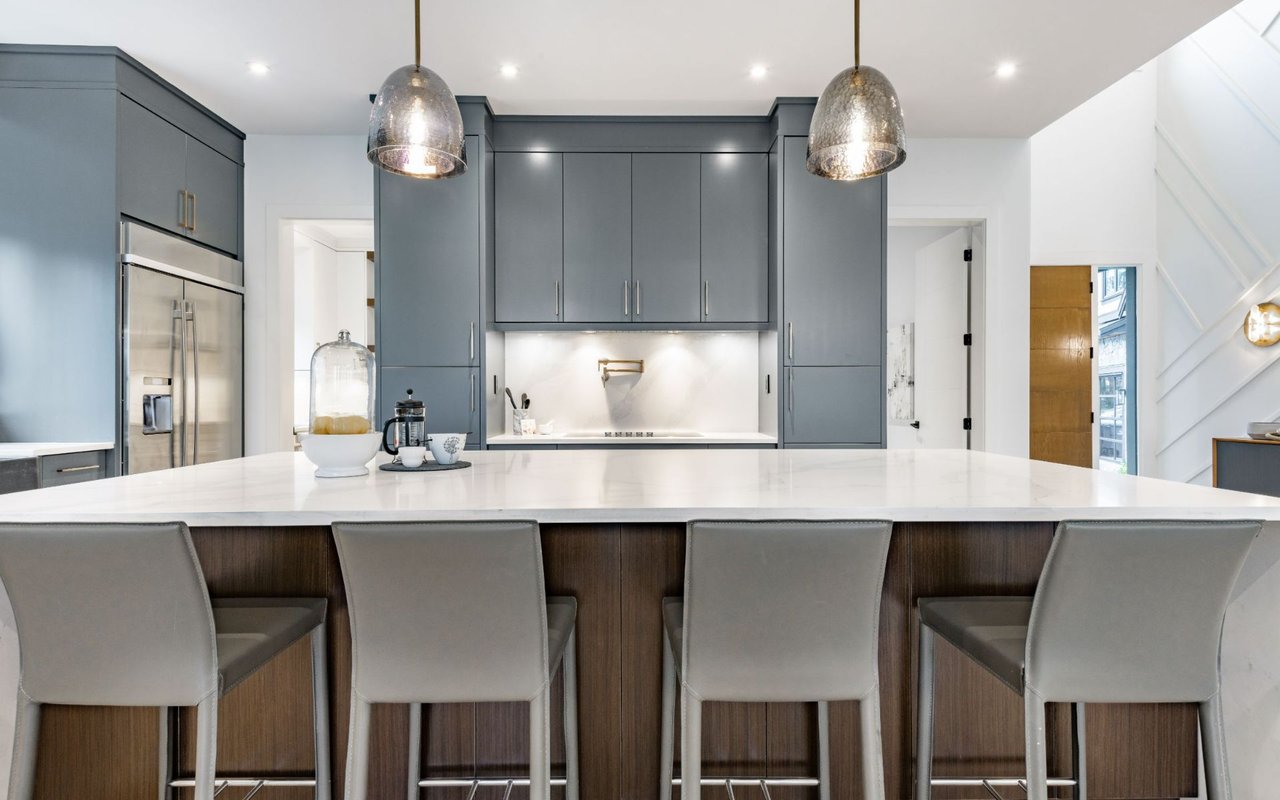
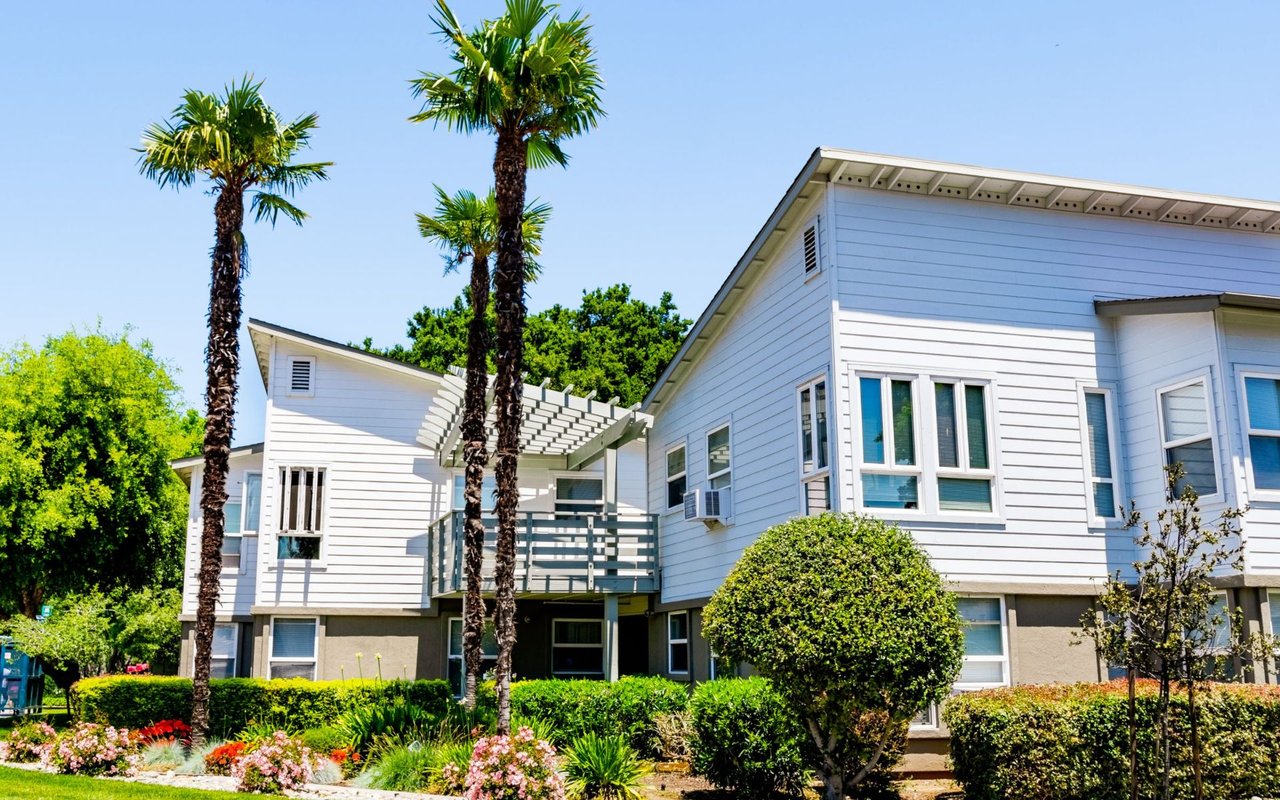
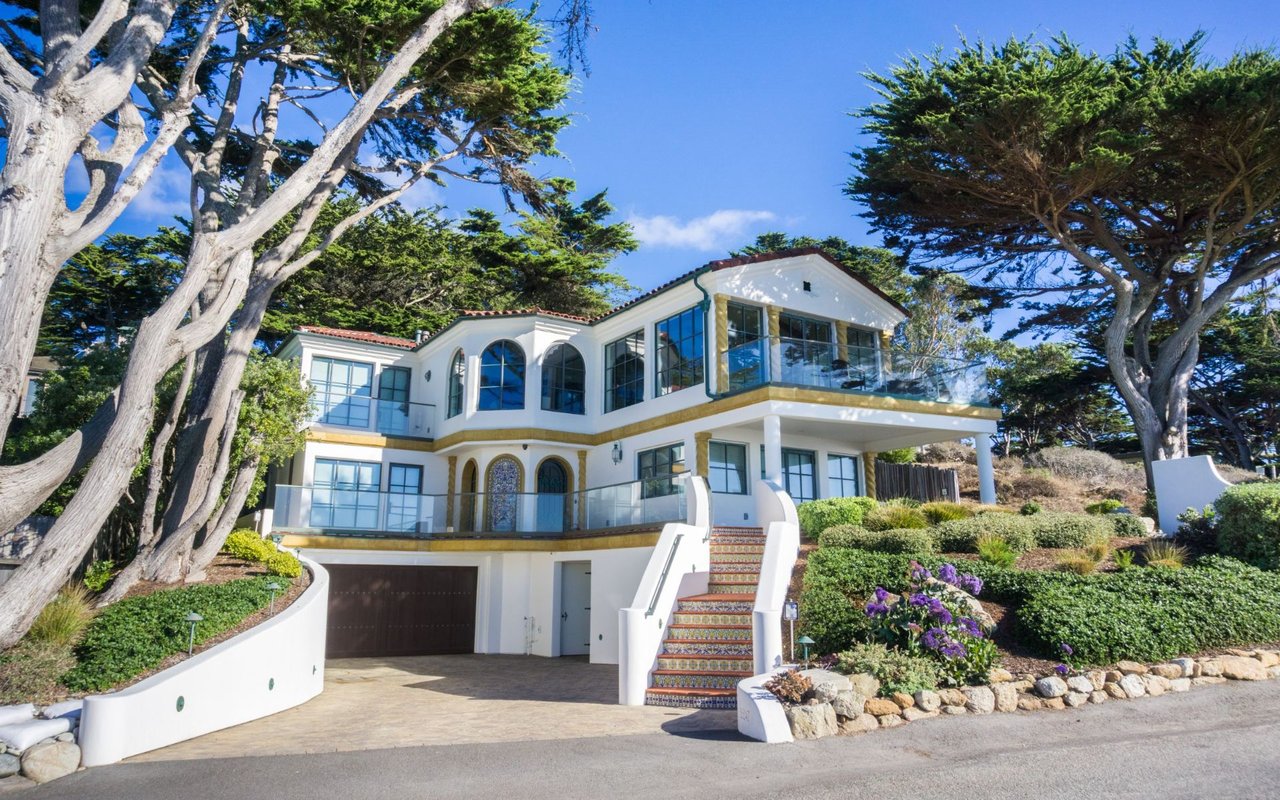
Thinking about selling your home in Montebello? You want a clear path from “getting ready” to “handing over the keys” without surprises. Local snapshots put many Montebello homes in the mid-to-upper 700s to low 800s, and recent reports show many listings take several weeks to go pending. In this guide, you’ll get a step-by-step checklist that covers pricing, prep, disclosures, showings, negotiations, escrow, and closing costs so you can sell with confidence. Let’s dive in.
Step-by-step Montebello selling checklist
1) Plan your timeline and price
- Review recent neighborhood sales for similar bed/bath, size, and condition. In the LA area, agents rely on CRMLS data to price accurately.
- Expect a locally competitive market for well-prepared homes. Many Montebello listings move to pending in several weeks, with final closing usually 30 to 60 days after acceptance.
- Choose your launch window thoughtfully. Spring and early summer often draw more buyers, but your exact timing should follow the most recent 12-month data for your micro-area.
2) Gather required disclosures early
- Complete California’s Transfer Disclosure Statement and Natural Hazard Disclosure. These are statutory requirements, and timing matters for buyer rights. Review the state’s disclosure framework in the Civil Code to understand what must be delivered and when. See the statutory context for the Transfer and Natural Hazard Disclosures in California’s Civil Code for sellers’ obligations and timing rules by visiting the official code resource.
- Provide lead-based paint materials if your home was built before 1978, including the EPA pamphlet and lead warning statement. Buyers typically receive a 10-day period to test unless waived. Learn more in the EPA’s guidance on lead disclosures.
- If your home is in an HOA or condo, order the Davis-Stirling resale documents as soon as practicable. Associations can charge a fee and buyers often have a limited review window. See the Davis-Stirling resale document requirements for what must be included.
Helpful links:
3) Order smart pre-list inspections
- Consider a seller pre-inspection to surface issues early, plan repairs, and present clean reports to buyers. This can reduce renegotiation risk and speed up contingency periods. Read why many pros recommend a pre-list inspection.
- Schedule a wood-destroying organism (WDO/termite) inspection. Lenders often require Section I items to be cleared before funding, so plan for quick treatment if needed. Learn how to read a WDO report.
- Check for any city-specific point-of-sale requirements. Montebello did not show a city-wide sewer-lateral program in recent reviews, but confirm with Building & Safety or Public Works before listing.
Helpful links:
4) Prioritize repairs and prep
- Tackle safety and lender-critical items first, like electrical hazards, major roof leaks, and Section I termite repairs.
- Focus next on high-impact, visible updates: fresh paint, landscaping, lighting, and minor kitchen/bath refreshes.
- If timing is tight, talk with your escrow officer about potential holdbacks that allow you to close while completing certain agreed repairs. See an escrow officer’s overview of the escrow process and holdbacks.
Helpful link:
5) Stage and capture pro media
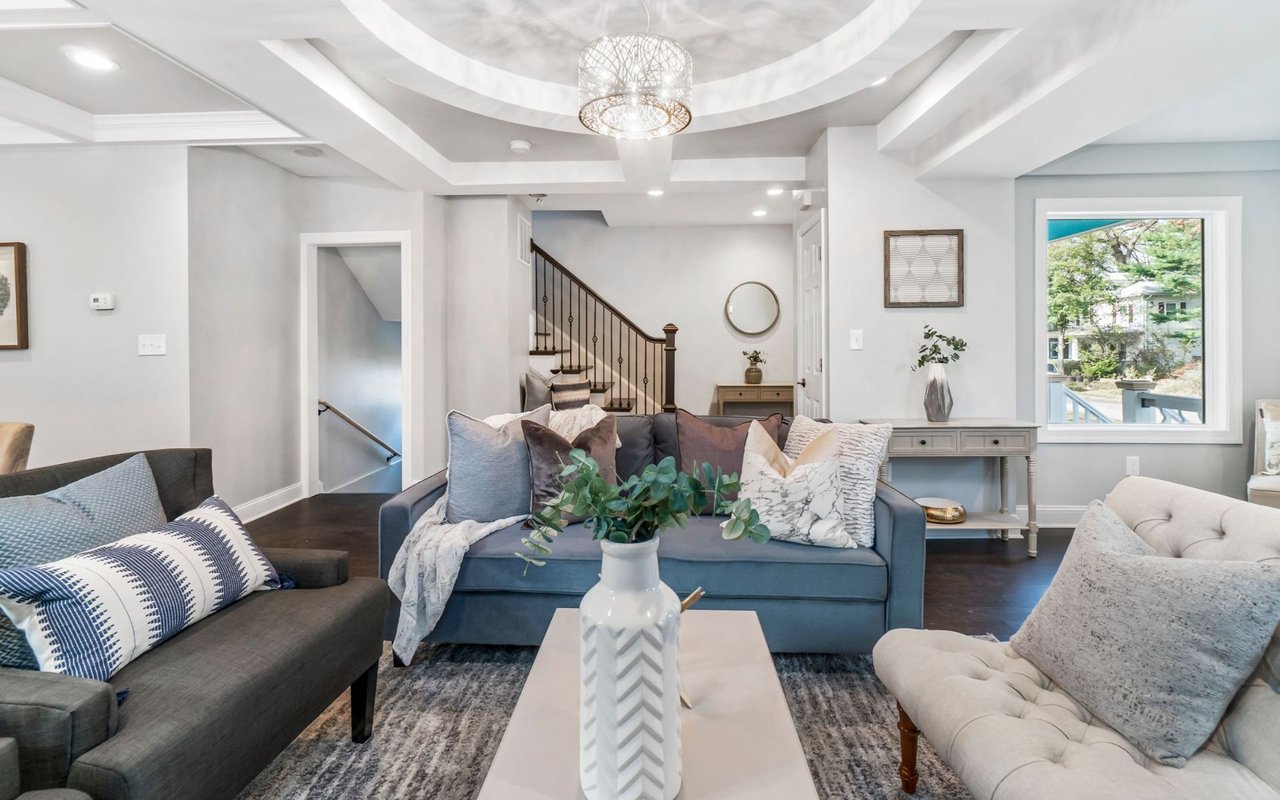
- Well-staged spaces help buyers picture themselves living there, which can shorten time on market.
- Decide between full, partial, or virtual staging based on your price band and expected return.
- Book professional photography and 3D/virtual tours after repairs and staging are complete so you launch photo-ready.
6) List on MLS and set your launch
- Your listing should go into the regional MLS that serves Montebello so it syndicates widely to consumer portals according to MLS and brokerage rules.
- If you plan a “coming soon” phase or office-exclusive period, confirm timing under the Clear Cooperation Policy, which requires MLS submission within one business day of public marketing in many areas. Review NAR’s Clear Cooperation basics.
- Create a showing plan: set your lockbox strategy, showing windows, and a pet/valuables plan. Check local sign rules before placing off-site directional signage.
Helpful link:
7) Manage showings like a pro
- Keep the home show-ready with daily touch-ups and neutral scents.
- Store valuables and sensitive documents securely.
- Maintain flexible showing windows, especially during the first two weeks on market when buyer interest peaks.
8) Review offers and negotiate
- Look beyond price. Weigh financing strength, earnest money, contingency terms, and any appraisal gap coverage.
- Default timelines in the California Residential Purchase Agreement often give buyers about 17 days for inspections, plus separate windows for loan and appraisal. You can negotiate shorter timelines if you have strong pre-list reports and disclosures ready. Review a guide to common RPA timelines and mechanics.
Helpful link:
9) Open escrow and track milestones
- Most California escrows close within 30 to 60 days; 30 to 45 days is common for conventional loans when title is clean.
- Your escrow officer will coordinate title, payoff demands, prorations, HOA documents, lender funding, and recording.
- Typical milestones include buyer inspections, appraisal, loan underwriting, and final walkthrough. Stay available and responsive to keep momentum.
Helpful link:
10) Know your seller costs
- Expect the largest items to include broker commission, documentary transfer tax, owner’s title insurance policy, and a seller share of escrow/title fees by local custom. You will also see prorated property taxes, HOA balances if applicable, and any negotiated credits or repairs.
- Los Angeles County collects documentary transfer tax at recording. Many LA-area deals customarily assign this cost to the seller, but it is negotiable. Review the county’s tax overview.
- After closing, a change in ownership can trigger reassessment and supplemental tax bills that arrive later. Understand how supplemental taxes work so there are no surprises.
Helpful links:
11) Final steps to close
- Ensure agreed repairs are complete and receipts are available before the buyer’s final walkthrough.
- Confirm utilities and possession timing in writing so move-out and key exchange are smooth.
- Protect against wire fraud. Always verify wire instructions by calling your escrow officer at a known number before sending funds. See practical wire safety tips in the escrow process guide.
Helpful link:
Where your broker adds the most value
- Pricing with precision: You get a comparative market analysis built on hyperlocal CRMLS comps, timing advice, and a launch strategy tailored to Montebello’s current conditions.
- Disclosure and compliance: Your TDS, NHD, lead materials, and any HOA packets are organized and delivered on time to reduce legal risk and keep buyers moving.
- Vendor coordination: Pre-list inspections, termite, licensed trades, and staging pros are scheduled so your home hits the market photo-ready.
- Marketing and negotiation: Professional presentation, broad MLS exposure, and a clear plan for handling contingencies, appraisal gaps, and timelines give you leverage.
- Escrow problem solving: Proactive title review, payoff coordination, and holdback solutions keep deals on track when surprises pop up.
Quick reference timeline
- Weeks 1–2: Pricing, calendar planning, disclosures started, pre-list inspection, WDO/termite, repair bids.
- Weeks 2–3: Repairs and prep, staging, professional photos and 3D tour, showing plan.
- Launch week: MLS live, first showings, first open house.
- Weeks 1–3 on market: Buyer tours, offers, negotiations.
- After acceptance: 17-day inspection window typical unless negotiated otherwise, appraisal and loan processing.
- Escrow 30–60 days: Title clearance, contingencies removed, final walkthrough, recording, and key handoff.
Ready to sell in Montebello?
If you want a smooth sale with clear steps and hands-on guidance, let’s talk. Get a pricing strategy, disclosure game plan, and a polished launch that fits your timeline. Hablamos Español. Connect with Rafael Viramontes to schedule a free consultation.
FAQs
How long does selling a home in Montebello usually take?
- Many Montebello listings go pending within several weeks, then escrow typically runs 30 to 60 days from acceptance depending on financing, appraisal, and title.
Which disclosures are required for California home sellers?
- At a minimum, prepare the Transfer Disclosure Statement and Natural Hazard Disclosure; add federal lead materials for pre-1978 homes and HOA resale packets where applicable.
Do I need a pre-listing inspection?
- It is recommended for older homes or when you want to shorten contingency periods and reduce renegotiation risk by fixing issues upfront and sharing clean reports.
Who pays the Los Angeles County documentary transfer tax?
- The county collects the tax at recording. Local custom often assigns it to the seller, but it is negotiable in the purchase agreement.
What are typical buyer contingency timelines in California?
- The standard contract often includes about 17 days for buyer inspections, with loan and appraisal timelines that may run 17 to 30 days unless the parties negotiate different dates.