Thinking about moving inland to get more space for your money? You are not alone. For many buyers in Los Angeles and Orange County, Riverside County comes up when home prices feel tight and the idea of a larger home, more outdoor access, or a different pace starts to look appealing. The key is knowing what you gain, what you trade off, and how to decide if it truly fits your life. Let’s dive in.
Why Riverside County Gets Attention
Riverside County is not one uniform market. According to Riverside County, it covers more than 7,300 square miles and had an estimated population of 2,529,933 as of July 1, 2024. The county includes deserts, valleys, and mountain areas, which means your day-to-day experience can vary a lot depending on where you land.
That is why a move to Riverside County should be treated as a city-by-city decision, not just a county-level one. A home in Corona can feel very different from one in Murrieta, Riverside, or the Coachella Valley area. Your commute, housing style, and access to outdoor recreation can shift quickly across the county.
Affordability Is a Major Draw
For many buyers, the biggest reason to consider Riverside County is straightforward: it may offer a more attainable path to homeownership than Orange County. Census QuickFacts shows Riverside County with a median owner-occupied home value of $557,300, compared with $962,600 in Orange County.
The same data shows a 69.1% owner-occupied rate in Riverside County versus 56.4% in Orange County. Median gross rent is also lower in Riverside County at $1,901, compared with $2,434 in Orange County. While pricing varies by city and housing type, the countywide numbers point to a market where ownership is often more within reach.
The purchase side tells a similar story. C.A.R.’s fourth-quarter 2025 affordability report lists Riverside County’s median existing single-family home price at $633,580, with a monthly payment of $3,880 and a minimum qualifying income of $155,200. Orange County’s median was $1,396,500, with a monthly payment of $8,560 and a minimum qualifying income of $342,400.
What “More House for the Money” Can Mean
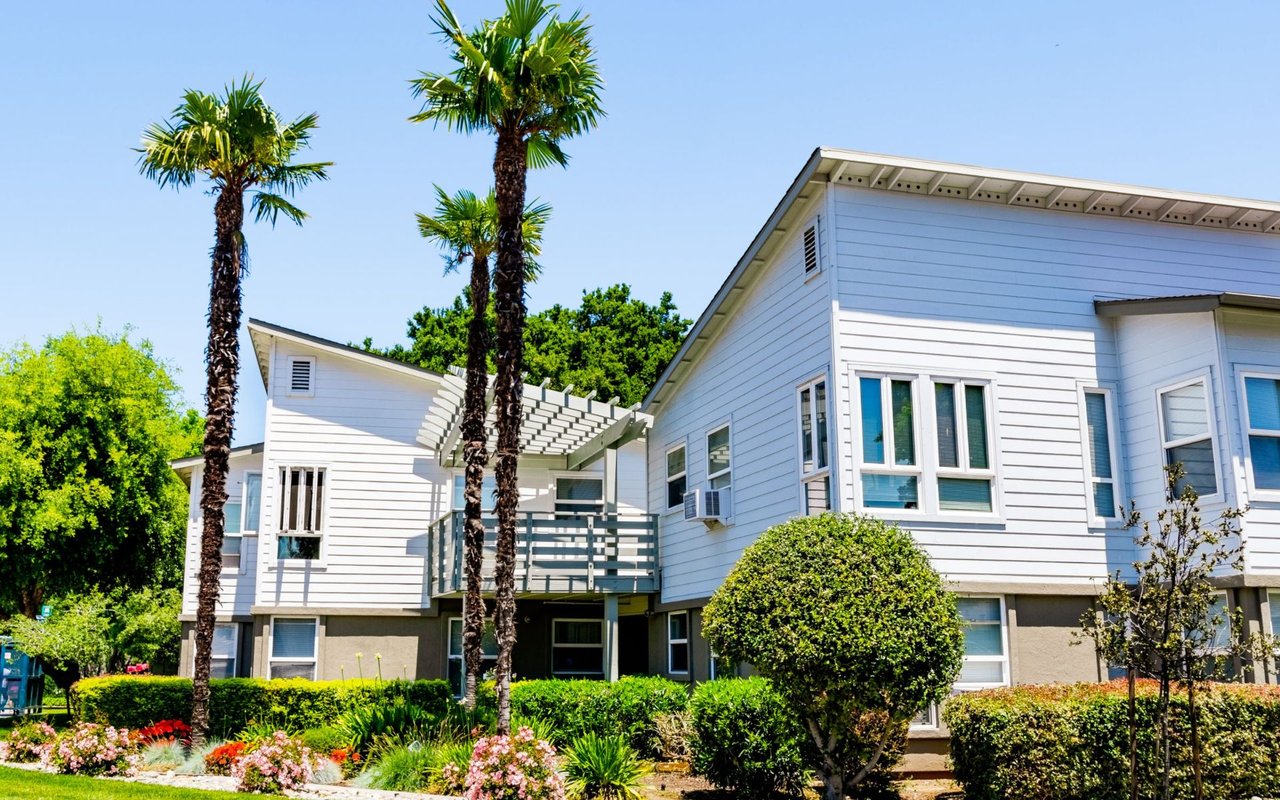
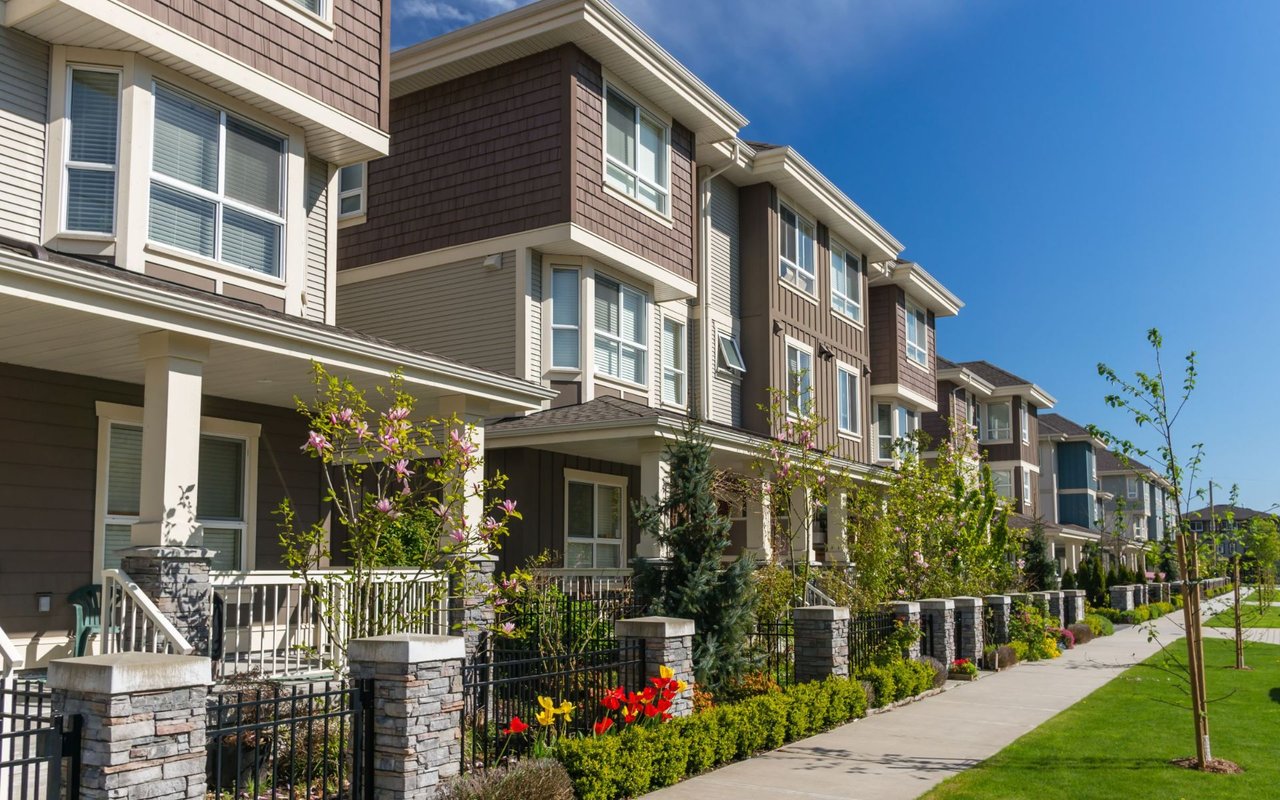
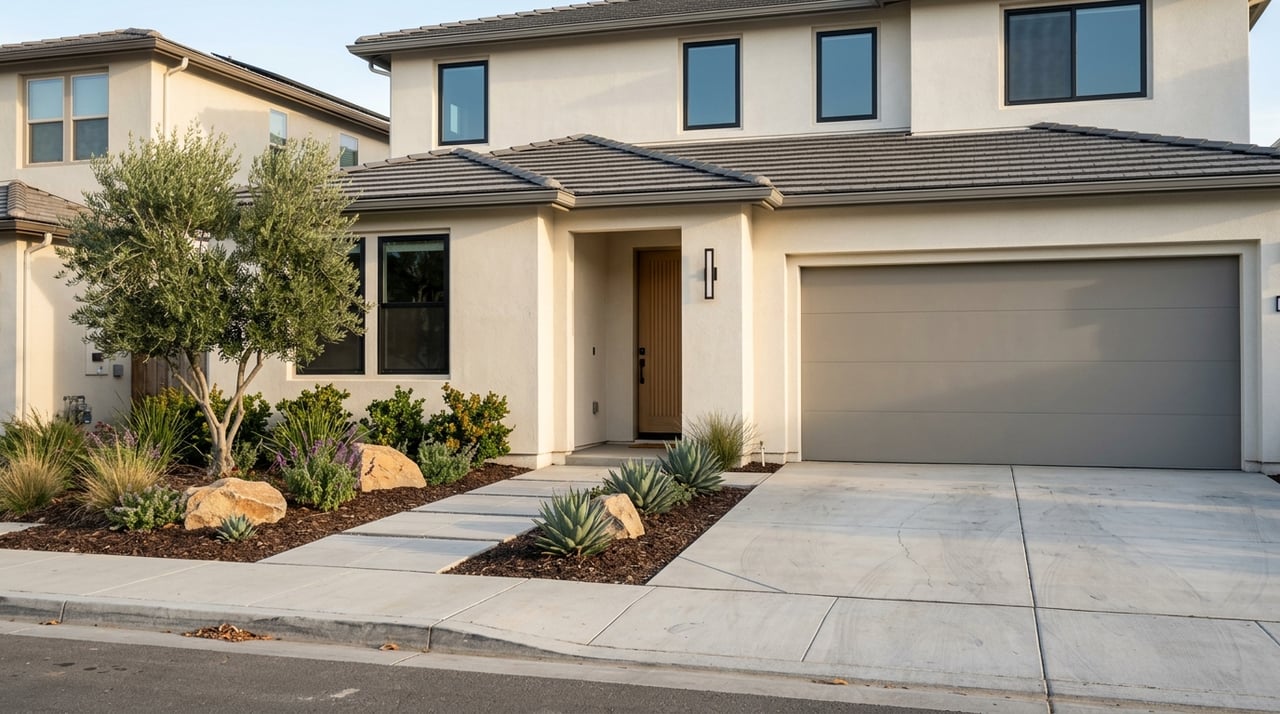
Riverside County’s housing mix often appeals to buyers who want detached homes, newer development patterns, or more square footage. Census data shows 888,186 housing units in Riverside County, and C.A.R. reports 9,598 building permits in 2024, compared with 6,972 in Orange County.
That does not mean every part of Riverside County looks the same or offers the same inventory. Still, the combination of county size, ownership rate, and permit activity supports the idea that buyers may find a wider mix of suburban single-family homes, newer tract-style communities, and some condo or townhome options in more urbanized areas.
If your current market feels financially limiting, this can be a meaningful advantage. You may be able to prioritize features that feel out of reach elsewhere, such as extra bedrooms, a larger lot, or newer construction.
Commute Is Usually the Biggest Tradeoff
If affordability is the main upside, commute is often the main compromise. Caltrans identifies SR-91 as a major commuter route for residents traveling between Riverside County and jobs in Orange and Los Angeles counties. It is also a major route for regional travel on weekends and holidays.
That matters because a lower purchase price does not automatically mean a better overall lifestyle. If you need to commute often, your daily routine may involve more time in the car and more dependence on major freeway corridors.
The data reflects that difference. Census QuickFacts shows a mean travel time to work of 33.8 minutes in Riverside County, compared with 26.7 minutes in Orange County. On paper, that gap may not sound huge, but in real life it can shape your week in a major way.
Transportation Options to Consider
Driving is not the only option, but it is still the dominant one for many households. RCTC notes that it jointly operates the 91 Express Lanes with the Orange County Transportation Authority, extended those lanes into Riverside County in 2017, and opened the 15 Express Lanes in 2021 between Route 60 and Cajalco Road.
RCTC also points to Metrolink, bus service, rideshare programs, and freeway service patrol on the 91, 60, 215, and 15 corridors. Those options can help, especially if your work schedule is flexible or if you live near a key station or freeway route.
For rail commuters, the Metrolink Inland Empire-Orange County Line schedule includes stations such as Riverside-Downtown, Riverside-La Sierra, Corona, Anaheim Canyon, Orange, Santa Ana, Tustin, and Irvine. If your job or routine lines up with those stops, rail can be part of a workable plan.
Lifestyle Can Feel Different
A move to Riverside County is not only about housing cost. It can also mean a different kind of lifestyle. For some buyers, that change is exactly the point.
According to RivCoParks, the county park district oversees parks, trails, and open spaces, with seven regional parks open for day use and activities like camping, hiking, boating, fishing, horseback riding, and special events. If you want easier access to outdoor recreation and more weekend variety, Riverside County has real appeal.
One example is Lake Perris State Recreation Area, located 11 miles south of Riverside. It offers hiking, bicycling, fishing, swimming, picnicking, camping, rock climbing, horseback riding, and a museum visit. That kind of amenity can shape how you spend your free time.
The county also connects you to larger natural destinations. Joshua Tree National Park spans parts of Riverside and San Bernardino counties and is known for desert landscapes, geologic features, and dark night skies. The Santa Rosa and San Jacinto Mountains National Monument adds another layer of access to mountain terrain and open space.
Who Riverside County Often Fits Best
Riverside County tends to make the most sense if you are looking for a practical trade: lower housing costs in exchange for a more car-dependent routine and, in many cases, a longer commute. If your top priority is stretching your budget into a larger home or a different housing type, the move may be worth serious consideration.
It can also be a strong fit if you work hybrid, have flexibility in where you report, or spend more of your free time on outdoor activities than coastal attractions. Buyers who value space, ownership opportunities, and suburban growth patterns often find Riverside County worth a close look.
On the other hand, if you need to be in coastal Orange County or Los Angeles most days, commute friction can become the deciding issue. In that case, the right question is not just whether the home is cheaper. It is whether the full lifestyle equation works for you.
Questions to Ask Before You Move
Before you make a move, try to pressure-test the decision with a few practical questions:
- How often will you need to be in Los Angeles or Orange County?
- How far is the home from SR-91, I-15, SR-60, or a Metrolink station?
- Would you be comfortable with a longer average travel time to work?
- Are you moving mainly for more space, a different home style, or monthly payment relief?
- Do the cost savings justify the extra driving or commute complexity?
- Does the local area support the kind of weekend lifestyle you want?
This is where an in-person visit matters. If possible, test the drive during the hours you would actually travel. A home that looks perfect online can feel very different once you live the route.
Focus on the Specific City
Because Riverside County is so large, the county label alone is not enough. Your real decision is about the specific city, neighborhood, and commute pattern you would live with every day.
That is why local guidance matters. You want to compare housing cost, transportation access, and lifestyle fit together, not in isolation. A thoughtful move is rarely about chasing the lowest number. It is about finding the best overall fit for your goals.
If you are weighing a move from Los Angeles or Orange County into Riverside County, talking through your budget, commute, and priorities can save you time and help you narrow in on the right area. When you are ready, connect with Rafael Viramontes for clear, practical guidance on your next move.
FAQs
Is Riverside County more affordable than Orange County for homebuyers?
- Yes. Countywide data from the Census and C.A.R. shows Riverside County has lower median home values and lower median single-family home prices than Orange County, although prices still vary by city.
Is commuting from Riverside County to Orange County realistic?
- It can be, but it depends on your route, schedule, and tolerance for travel time. SR-91 is a major commuter corridor, and some buyers also use express lanes or Metrolink.
Does Riverside County have public transportation for commuters?
- Yes. RCTC highlights bus service, rideshare options, and Metrolink, and the Inland Empire-Orange County Line serves stations in Riverside, Corona, Anaheim Canyon, Orange, Santa Ana, Tustin, and Irvine.
Is Riverside County a good fit if you want outdoor recreation?
- For many buyers, yes. The county offers access to regional parks, trails, Lake Perris recreation, mountain areas, and destinations connected to desert and open-space living.
Should you treat Riverside County as one housing market?
- No. Riverside County is large and varied, so it is more accurate to think of it as a collection of submarkets with different commute patterns, home styles, and lifestyle tradeoffs.