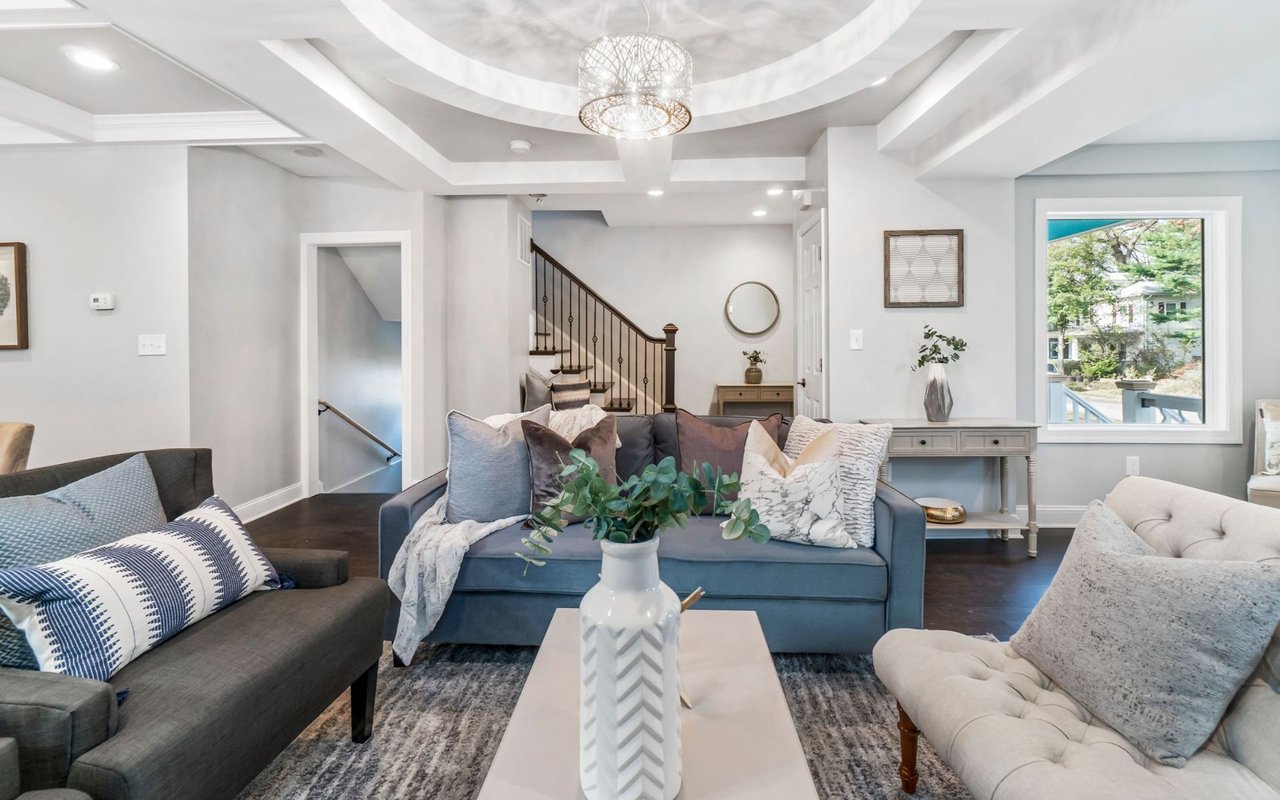
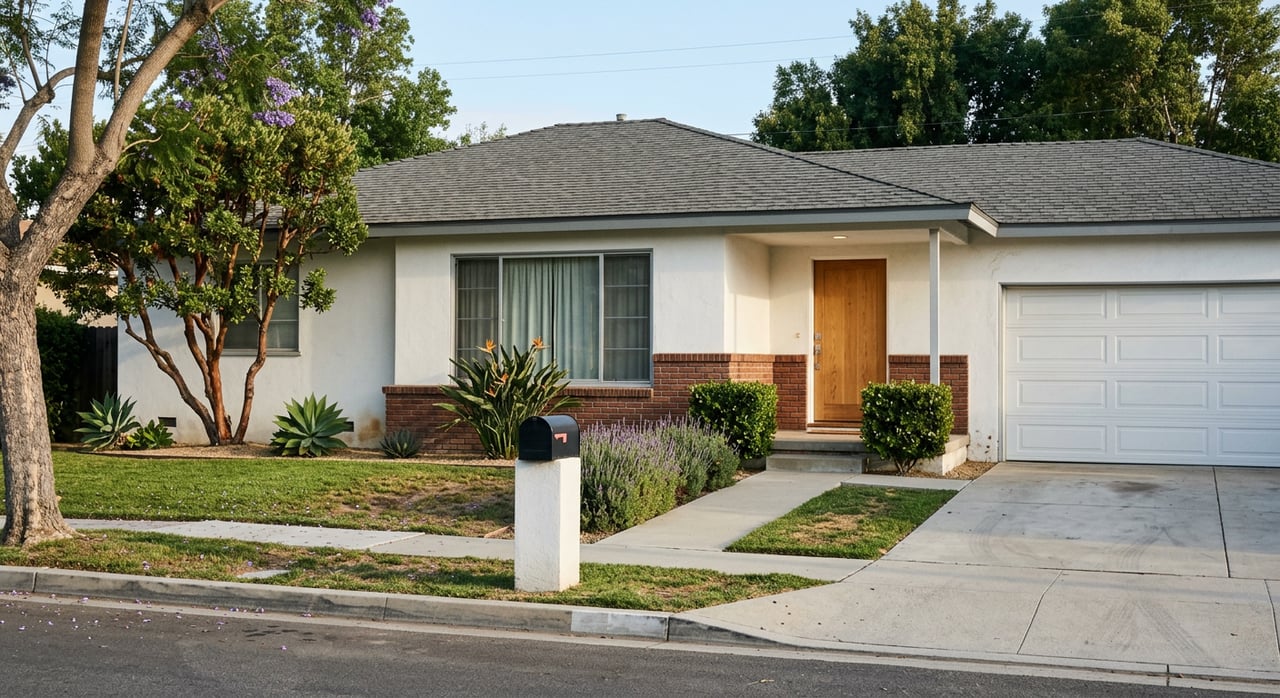
Whittier gives you real neighborhood choice. You can shop walkable historic blocks near cafés, quiet hillside streets with views, or classic mid‑century tracts with generous yards. If you are weighing commute time, outdoor space and local amenities, knowing which pocket fits your lifestyle will make your search smoother and smarter. In this guide, you will learn how Whittier’s neighborhoods are organized, the home styles you will see, and the tradeoffs to expect. Let’s dive in.
Whittier at a glance
Whittier’s housing stock skews older, with many homes built from the 1940s through the 1960s. That is why you see a lot of single‑story ranches and bungalows, plus earlier period homes near the historic districts. Census and ACS summaries back up this mid‑century concentration and single‑family character. You can use these patterns to plan upgrades and budget for maintenance. Local year‑built data highlights the mid‑century era, and structure-type summaries show a strong share of detached homes.
Commuting is mostly car‑based. Residents report a mean travel time around the half‑hour mark, and regional buses plus local shuttle services help fill in where rail is limited. If a faster on‑ramp matters to you, factor in your daily route and peak traffic. You can review commute-time context for the area and look into Dial‑A‑Ride and local shuttle options as you compare pockets.
Neighborhoods at a glance
Uptown and Old Town
Uptown centers on Greenleaf Avenue with restaurants, theaters and short blocks that feel easy to walk. The area draws you if you value coffee runs, boutique shops and weekend events close to home. Whittier College sits nearby, which adds a collegiate energy and cultural programming. Explore the vibe through a local lens in this Uptown Whittier overview and learn more about the Whittier College campus.
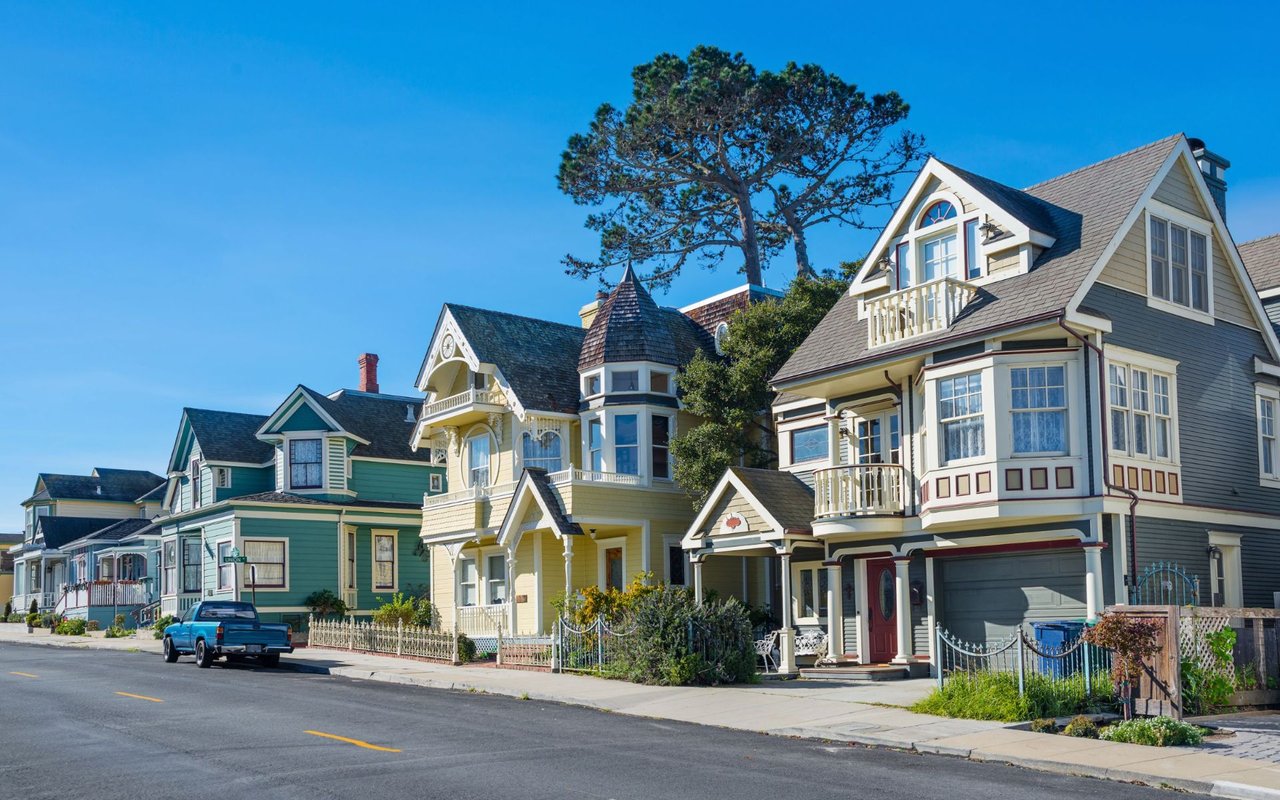
Typical homes around Uptown include Craftsman bungalows and early 20th‑century styles on modest lots. Parts of the area fall inside local historic districts, so plan for design review if you want to change exterior elements. You can confirm boundaries and guidelines on the City’s historic preservation page.
Historic districts and College Hills
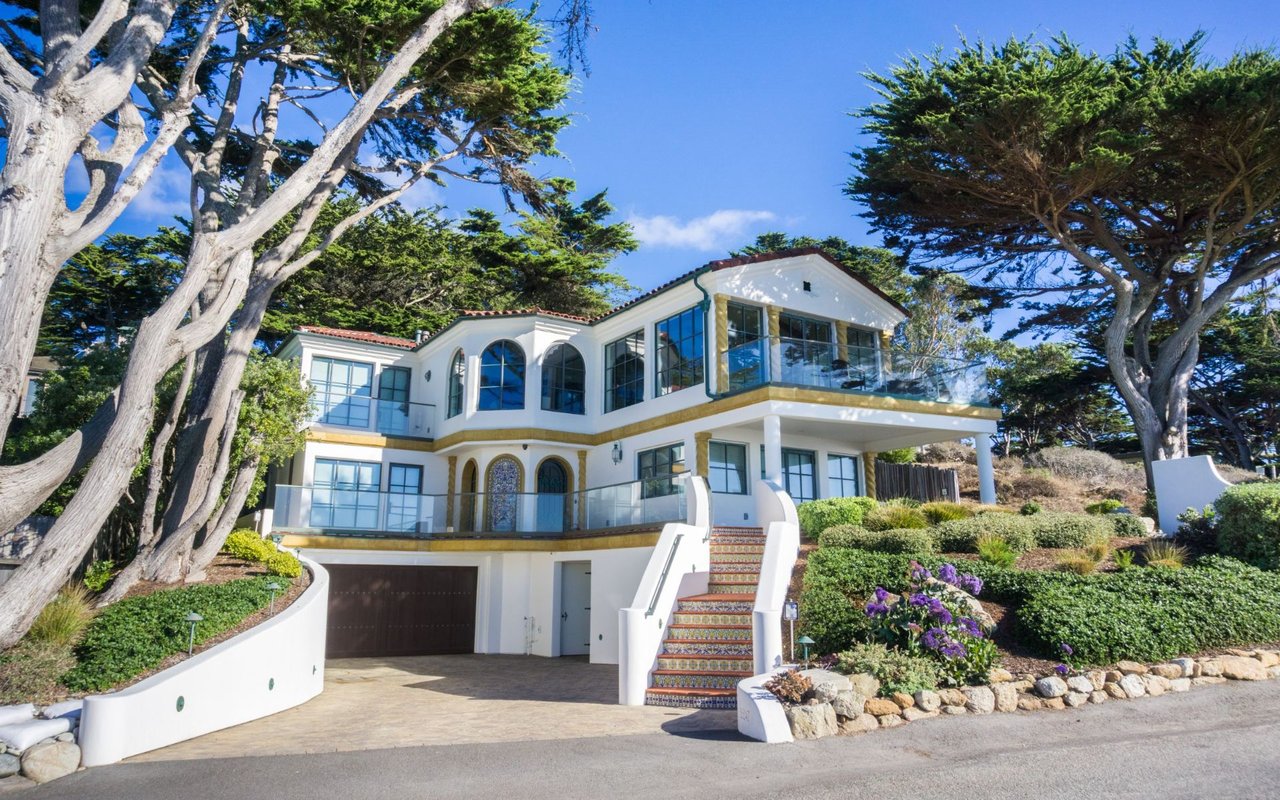
Whittier’s designated historic districts — Central Park, Hadley‑Greenleaf and Earlham — showcase Spanish Colonial Revival, Craftsman, Tudor and early Colonial Revival homes. College Hills adds hillside streets with views and a mix of period architecture. These areas appeal if you want architectural character and proximity to Uptown and the college. Expect higher attention to maintenance on older systems and plan for local preservation rules. Review maps and standards on the City’s historic districts page.
Friendly Hills and Whittier Hills
Set in the foothills, these pockets offer larger lots, privacy and many homes with valley or city views. You will see mid‑century ranches, custom hillside builds and some contemporary rebuilds. The tradeoffs are longer, steeper drives and more distance to daily retail. If outdoor space and quiet streets top your list, this area is a strong match.
East, South and West Whittier tracts
On the flatter side, you will find classic post‑war tracts from the 1950s and 1960s with practical floor plans, attached garages and bigger backyards. These neighborhoods often provide strong square‑foot value and room to update kitchens, baths or add an ADU. Some addresses that say “Whittier” sit just outside city limits in unincorporated areas, so double‑check municipal services and school districts. Year‑built patterns are clear in ACS summaries that highlight the 1950s concentration.
Whittwood and the Whittier Blvd corridor
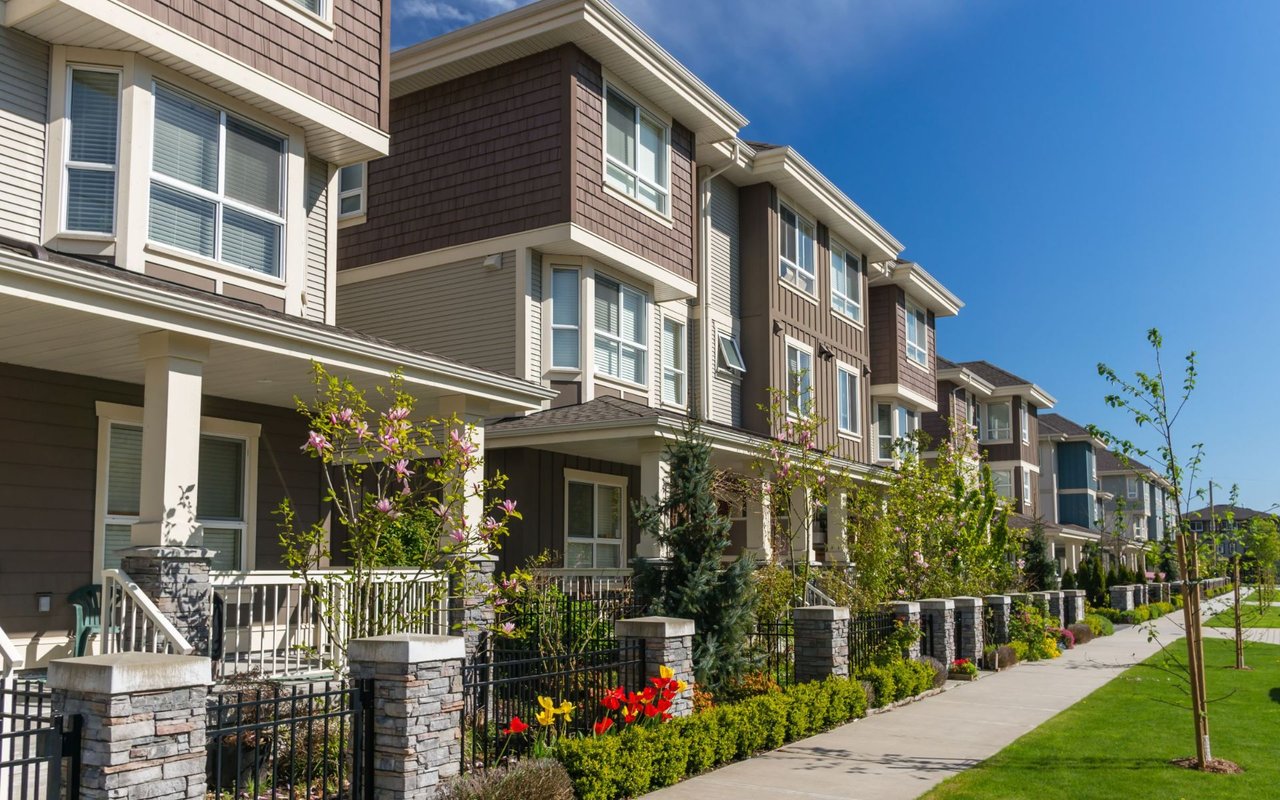
If convenience is your priority, the retail hub at Whittwood Town Center anchors big‑box shopping, groceries and services. Nearby streets include older single‑family homes and some townhome clusters at the edges of retail. Living here can shorten errand time and improve freeway access to the 605. Learn more in the City’s Whittwood Town Center profile.
Home styles you will see
- Craftsman bungalow and early period homes. Porch fronts, wood details and smaller lots. Concentrated inside local historic districts where exterior changes may need review. Check the City’s historic guidelines and districts.
- Spanish Colonial, Mission and Mediterranean Revival. Stucco walls, tile roofs and arches. Often found in College Hills and older central neighborhoods.
- Ranch and mid‑century tract. Single‑story layouts with larger backyards and attached garages. Common across East, South and West Whittier. Local year‑built data supports this widespread 1950s stock.
- Hillside custom and contemporary. Larger lots, split levels and view homes in Friendly Hills and the higher elevations.
- Townhomes and mixed‑use. More limited supply near major arterials and retail nodes like Whittwood. See the Whittwood Town Center overview for area context.
Match priorities to the right pocket
- Commute focus. Whittier is more auto‑oriented, and mean travel times run about half an hour. If you need quick freeway access, look near Whittier Blvd and key arterials that feed the 605 or 5. Bus routes and shuttles supplement driving. Use area commute data and explore local shuttle options as you compare addresses.
- Outdoor space and privacy. Target Friendly Hills and Whittier Hills for larger lots and views, or look in the mid‑century tracts for bigger yards at a more accessible price point. Hillside streets can mean longer drives to shops.
- Walkability and amenities. Uptown offers the strongest day‑to‑day walkability, with dining, the library and events close by and Whittier College nearby. Expect smaller yards and plan for historic‑district rules on some streets.
- Schools and programs. Whittier addresses map to several elementary and high school districts, and boundaries are parcel‑specific. Always verify with district maps and current listings for programs. You can start by browsing Whittier schools and districts.
- Best value per square foot. East, South and West Whittier tracts often deliver more house and yard for the budget and are great candidates for thoughtful updates that add equity.
What to expect with older homes
Because many Whittier homes were built before 1970, plan for a careful inspection period and a realistic upgrade budget.
- Schedule a full home inspection and add specialists for electrical, plumbing or foundation if the report suggests it. Mid‑century systems can be near end of life.
- Budget for roof, sewer and panel updates, especially on homes that have not been remodeled.
- For pre‑1978 homes, plan for lead‑based paint and possible asbestos in older materials. Licensed testing and safe work practices matter.
- In historic districts, exterior changes may require review. Review the City’s historic preservation page before planning a renovation.
- Transit and school boundaries vary by parcel. Confirm routes and programs using official sources, including Dial‑A‑Ride and local transit and district maps.
Your next step
If Whittier is on your shortlist, a neighborhood‑by‑neighborhood plan will save you time and help you compete with confidence. With three decades of local experience, boutique service and bilingual support, Elevate Realty guides you from search to keys, including clear valuations, strong offer strategy and even a complimentary living trust for clients who transact.
Ready to find your fit in Whittier? Connect with Rafael Viramontes to schedule a free consultation.
FAQs
What is the difference between Uptown and Friendly Hills for buyers?
- Uptown offers walkability and historic homes on modest lots near cafés and culture, while Friendly Hills delivers larger hillside lots, privacy and views with longer drives to retail.
How do Whittier’s historic-district rules affect renovations?
What are the main commute options from Whittier to major job centers?
- Most residents drive, with mean travel times near 30 minutes depending on route and traffic; regional buses and local shuttles support trips where rail is limited. See area commute data and Sunshine Shuttle info.
Where can I find lower-maintenance townhomes in Whittier?
- Inventory is smaller than single‑family homes, but you will see more options near major corridors and retail nodes, especially around the Whittwood Town Center area.
How do I verify which schools serve a specific Whittier address?